Enhance Your Garden with Modern Landscape & Exterior Lighting
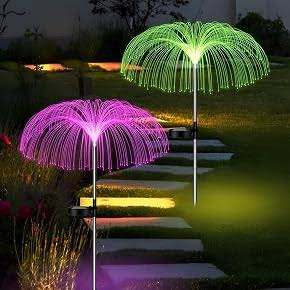
A well-designed outdoor lighting system can completely change the appearance of a home after sunset. From highlighting beautiful garden plants to emphasizing architectural details, outdoor fixtures help create a welcoming atmosphere while making exterior spaces more functional. Among the many lighting solutions available, Solar Spotlights offer a convenient way to illuminate selected areas using energy collected from sunlight.
As part of the Landscape & Exterior Lighting category, solar spotlights combine focused illumination with flexible installation and contemporary design. They can transform ordinary gardens into attractive outdoor environments by drawing attention to trees, decorative ornaments, stone walls, and other distinctive features. Because many models operate without a direct connection to household electricity, they are also an appealing option for homeowners seeking practical outdoor lighting.
Whether you are improving a small garden, updating your home's entrance, or designing an extensive landscape, understanding the features and applications of solar spotlights will help you choose fixtures that meet your needs.
What Makes Solar Spotlights Different?
Solar spotlights are designed to direct light toward a particular object or area rather than illuminate an entire space. This focused beam makes them useful for accent lighting, where the main objective is to highlight selected landscape or architectural features.
Most solar spotlights contain a photovoltaic panel, rechargeable battery, LED light source, and automatic light sensor. During the day, the panel collects sunlight and converts it into electrical energy, which is stored in the battery. When natural light decreases, the sensor activates the fixture, allowing it to illuminate the surrounding area.
Some models have an integrated solar panel, while others use a separate panel connected by a cable. Integrated designs are compact and simple to position, whereas separate-panel fixtures provide more flexibility when the spotlight needs to be installed in a shaded location.
These characteristics make solar spotlights suitable for a wide variety of outdoor environments, from decorative residential gardens to landscaped commercial properties.
Benefits of Solar Spotlights in Landscape & Exterior Lighting
Energy Efficiency and Convenience
One of the main benefits of solar spotlights is their ability to operate using renewable energy collected from sunlight. Since many models do not require a household electrical connection, they can reduce the electricity associated with outdoor accent lighting.
LED technology further supports energy efficiency by producing useful illumination with relatively low power consumption. Actual performance depends on the quality of the solar panel, battery capacity, sunlight exposure, and operating settings.
Automatic dusk-to-dawn sensors also make daily operation convenient by switching the lights on and off according to surrounding light levels.
Flexible Installation
Solar spotlights offer flexibility because most models do not require underground electrical wiring. Depending on their design, they can be installed in garden soil, mounted on exterior walls, or positioned near decorative landscape elements.
This can simplify lighting projects in locations where adding electrical cables would be difficult. It also makes it easier to adjust the layout when plants grow, garden furniture changes, or new landscape features are introduced.
Improved Outdoor Appearance
Strategically positioned spotlights can make a landscape look more attractive by emphasizing shapes, colors, and textures. Lighting a tree from below creates a different effect from illuminating a wall or directing a beam toward a decorative sculpture.
Combining several fixtures allows homeowners to create layers of light and shadow, adding depth without illuminating every part of the garden equally.
Reduced Dependence on Electrical Wiring
Many solar fixtures operate independently of the household electrical system. This can be useful for illuminating remote garden corners, fences, detached outdoor structures, and areas far from available electrical outlets.
However, solar spotlights still depend on adequate charging conditions. Shaded locations may require fixtures with separate solar panels or a different lighting solution.
Popular Types of Solar Spotlights
Ground-Mounted Solar Spotlights
Ground-mounted models are commonly used to highlight trees, shrubs, flower beds, and decorative garden features. Many include stakes that can be pushed into suitable soil, making installation relatively straightforward.
Adjustable heads allow the light beam to be directed toward specific plants or objects. These fixtures are especially useful when homeowners want to change their landscape lighting arrangement without undertaking a major installation project.
Wall-Mounted Solar Spotlights
Wall-mounted spotlights are designed to illuminate exterior facades, columns, entrances, fences, and other vertical surfaces. Their styles range from discreet contemporary fixtures to more decorative designs.
Before installing a wall-mounted model, check whether its solar panel will receive sufficient sunlight. A separate-panel option may perform better when the wall remains shaded for much of the day.
Solar Spotlights with Separate Panels
Separate-panel spotlights connect the lighting unit to a remote solar panel through a cable. This design allows the panel to receive direct sunlight even when the spotlight itself is positioned under a tree or beside a covered structure.
They are useful for highlighting shaded garden features, architectural details, and decorative objects located away from open sunny areas.
Adjustable LED Solar Spotlights
Adjustable LED spotlights provide flexibility in directing illumination. Some models also offer multiple brightness levels, different lighting modes, or motion-sensing functions.
These features allow homeowners to customize the lighting effect according to the intended purpose, whether emphasizing a decorative feature or providing additional illumination near an entrance.
Creative Applications for Solar Spotlights
Highlighting Trees and Plants
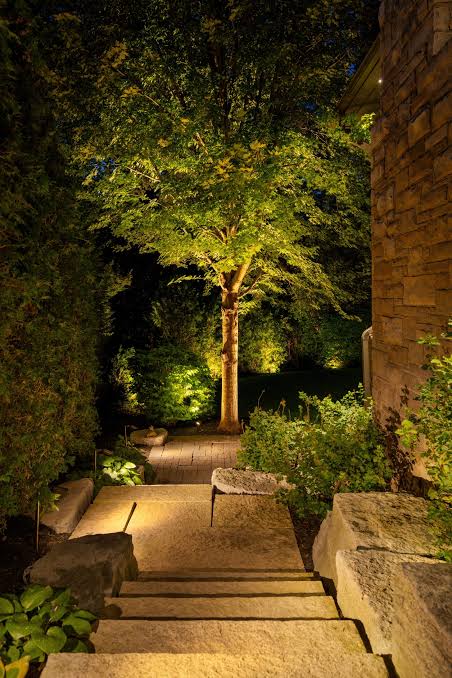
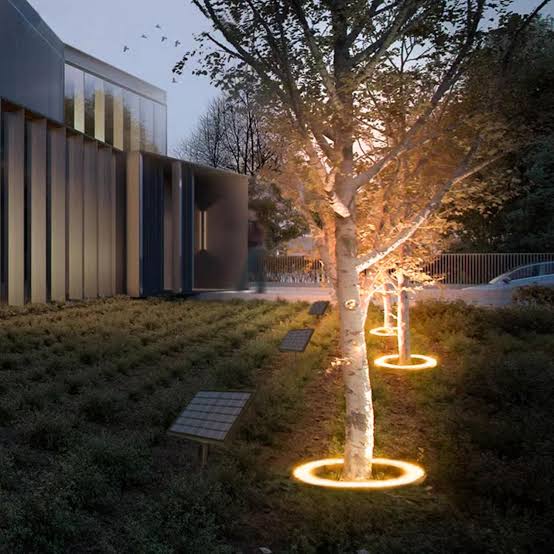
Trees can become striking landscape features when illuminated after dark. Positioning a spotlight near the trunk and directing its beam upward can emphasize the tree's height and branching structure.
Smaller fixtures can highlight shrubs, ornamental grasses, and flower beds. Choose an appropriate beam angle to avoid overwhelming delicate plants with excessive brightness.
Emphasizing Architectural Details
Solar spotlights can draw attention to stone walls, textured surfaces, columns, and decorative exterior finishes. Directing light across a textured wall can reveal its patterns and create attractive shadows.
For larger facades, several carefully positioned fixtures may produce a more balanced result than one intensely bright spotlight.
Illuminating Garden Decorations
Sculptures, fountains, planters, and other ornaments can become focal points when illuminated. A narrow beam may suit a small decorative object, while a wider beam can work better for larger features.
Experimenting with different angles and distances can help you find an arrangement that complements the overall landscape.
Enhancing Patios and Seating Areas
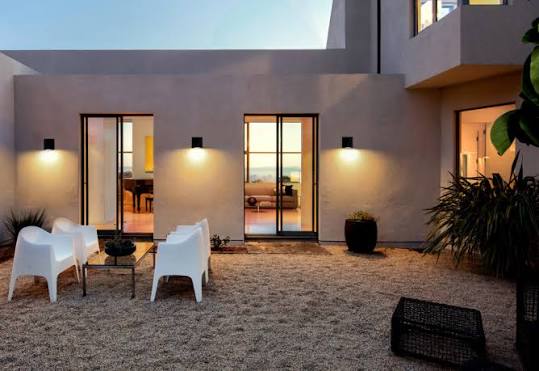
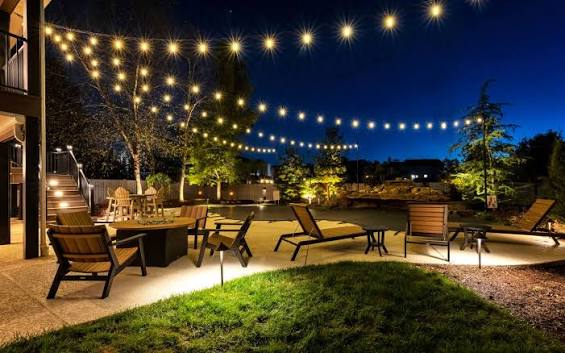
Spotlights can highlight surrounding plants and garden borders near patios and outdoor seating areas. Combining them with softer ambient lighting creates a more comfortable atmosphere for relaxing or entertaining.
Avoid directing bright beams toward seating positions or neighboring windows, as this can cause unnecessary glare.
How to Choose the Right Solar Spotlights
Selecting the best fixtures requires attention to several important features.
Brightness and beam angle: Check the lumen rating to understand light output and review the beam angle to determine how widely the light spreads. Choose a combination that suits the size and distance of the feature being illuminated.
Solar panel quality: Consider the panel's performance and the amount of direct sunlight available at the installation location. Separate panels may be preferable for shaded areas.
Battery capacity: Battery capacity affects operating time after charging. Review the manufacturer's expected runtime and charging requirements rather than relying only on advertised brightness.
Weather resistance: Outdoor fixtures should withstand rain, dust, humidity, and temperature changes. Check the product's ingress protection rating and follow the manufacturer's recommendations for installation.
Materials and durability: Look for weather-resistant housings and suitable finishes that complement other Landscape & Exterior Lighting fixtures.
Additional functions: Motion sensors, adjustable brightness, timers, and automatic operation can improve convenience. Choose features based on how and where the spotlight will be used.
Installation and Maintenance Tips
For reliable performance, place solar panels where they receive adequate sunlight throughout the day. Observe the area before installation to identify shadows created by trees, buildings, fences, or roof overhangs.
Position the spotlight so its beam reaches the intended feature without shining into people's eyes or unnecessarily illuminating the sky. Use suitable mounting hardware and follow the manufacturer's guidance for securing fixtures and protecting cables.
Clean solar panels regularly to remove dust, leaves, and debris. Inspect fixtures for damaged seals, loose fittings, corrosion, and cracked housings. If a rechargeable battery loses capacity over time, check whether it can be replaced.
Remember that cloudy weather and shorter daylight hours may reduce nighttime operating time. Keeping panels clean and adjusting their position can help improve charging performance.
Conclusion
Solar Spotlights are a versatile addition to Landscape & Exterior Lighting, offering a practical way to emphasize outdoor features while using energy collected from sunlight. They can highlight trees, showcase architectural details, illuminate garden decorations, and improve the appearance of patios and entrances.
By considering brightness, beam angle, battery capacity, solar panel placement, and weather resistance, homeowners can select fixtures that suit their outdoor spaces. With thoughtful positioning and regular maintenance, solar spotlights can create a more attractive and welcoming landscape while offering the convenience of solar-powered illumination.
Related posts