Stylish Solutions for Landscape & Exterior Lighting
Outdoor lighting is an essential part of creating a beautiful, functional, and welcoming property. It helps homeowners enjoy their gardens after sunset, improves visibility around walkways, and highlights the architectural features that make a home unique. Within the broader category of Landscape & Exterior Lighting, Pathway Lights offer a practical way to combine outdoor safety with attractive design.
Whether you have a small garden walkway, a long driveway, a stone path leading to the front door, or a landscaped backyard, the right lighting can transform the space. Carefully selected fixtures guide visitors through outdoor areas while adding depth, character, and visual appeal. With modern designs, energy-efficient technology, and a variety of installation options available, pathway lighting can complement almost any exterior style.
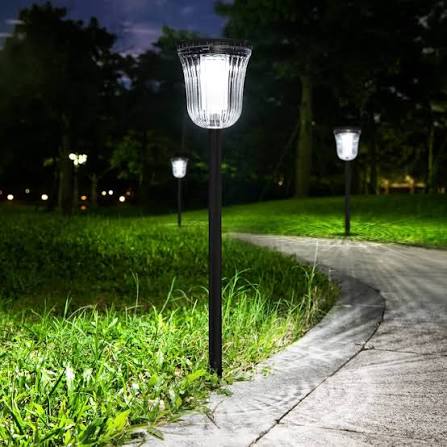
Why Pathway Lights Matter in Outdoor Design
Pathway lighting serves several purposes beyond simply making a walkway visible. When planned correctly, it becomes an important design element that connects different areas of the landscape and creates a consistent appearance throughout the property.
Improving Visibility and Safety
Dark walkways can make it difficult to identify uneven surfaces, steps, garden borders, and other potential obstacles. Installing pathway fixtures helps illuminate these areas, allowing residents and visitors to move around more comfortably after dark.
Lighting is especially valuable near front entrances, outdoor stairs, driveway connections, and frequently used garden paths. Consistent illumination can make these routes easier to navigate without relying on harsh floodlights.
Creating an Attractive First Impression
The exterior of a home creates the first impression for visitors. A thoughtfully illuminated walkway can make an entrance appear more organized, elegant, and inviting.
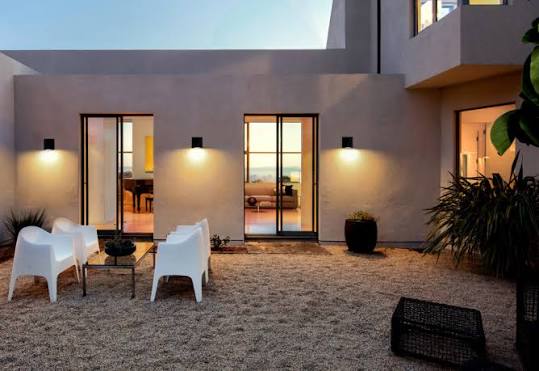
For traditional homes, lantern-inspired fixtures with bronze or black finishes can complement classic architectural details. Contemporary properties may benefit from streamlined fixtures with geometric shapes and simple finishes. Matching pathway lighting with existing exterior lights creates a coordinated appearance.
Highlighting Landscaping Features
Pathway lighting can draw attention to carefully designed landscape elements. Flower beds, ornamental grasses, decorative stones, shrubs, and small trees can become more noticeable when illuminated as part of a complete outdoor lighting plan.
Rather than lighting every feature equally, homeowners can combine subtle path illumination with accent lighting to create contrast and visual depth.
Different Types of Pathway Lights
Choosing the right fixture depends on the landscape design, available power sources, maintenance preferences, and desired lighting effect.
Solar-Powered Pathway Lights
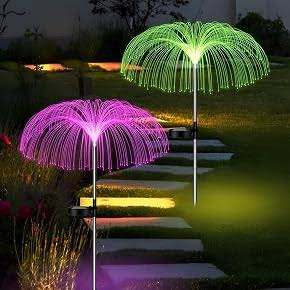
Solar pathway fixtures collect sunlight during the day and use stored energy to illuminate outdoor areas at night. They are popular for residential gardens because many models can be installed without connecting underground electrical cables.
These lights work particularly well along garden borders, short walkways, and areas where electrical wiring would be inconvenient. However, performance depends on sunlight exposure, battery capacity, weather conditions, and fixture quality.
For the best results, position solar panels in areas that receive adequate direct sunlight and avoid placing them beneath dense tree cover.
LED Pathway Lights
LED lighting is a versatile option for outdoor spaces because it generally offers low energy consumption and a long operating life compared with many traditional lighting technologies.
LED pathway fixtures are available in numerous styles, including short garden stakes, modern bollards, and decorative lanterns. Different brightness levels and color temperatures make it easier to create anything from a soft residential atmosphere to a clearer, more contemporary lighting effect.
LED technology can also be used in both solar-powered and wired lighting systems.
Low-Voltage Pathway Lighting
Low-voltage systems are often selected for larger gardens and properties that require more consistent illumination. They typically use a transformer to supply compatible outdoor fixtures with reduced voltage.
These systems provide flexibility when planning longer walkways, multiple garden routes, and coordinated exterior lighting arrangements. Although installation requires appropriate wiring and electrical components, the results can be reliable when the system is designed and installed correctly.
Decorative Bollard Lights
Bollard fixtures are short, upright lights that provide a distinctive architectural appearance. Their structured shapes work particularly well in contemporary gardens, along wide pathways, and near landscaped driveways.
Available in different heights, finishes, and beam patterns, bollard lights can provide functional illumination while reinforcing the visual style of the surrounding property.
How to Select the Best Pathway Lights
A successful lighting design begins with understanding the specific needs of the outdoor space.
Evaluate the walkway. Consider its length, width, shape, and surface material. A narrow stone path may need compact fixtures, while a wide driveway entrance may benefit from taller or more substantial designs.
Determine the required brightness. Pathway fixtures should provide enough light for comfortable movement without producing excessive glare. Higher brightness is not always better, especially in small gardens where softer illumination may be more attractive.
Choose the right color temperature. Warm white light can create a relaxed, welcoming atmosphere around residential landscapes. Neutral white light may suit modern architectural designs or areas where stronger visual definition is preferred.
Consider weather resistance. Outdoor fixtures should be designed for exposure to rain, dust, humidity, and temperature changes. Review the manufacturer's weather-resistance ratings and select durable materials suitable for the local environment.
Think about maintenance. Solar lights may require occasional panel cleaning and battery replacement, while wired fixtures need periodic inspections of their connections and electrical components.
Match the surrounding design. Coordinate fixture finishes with exterior doors, railings, garden furniture, and other Landscape & Exterior Lighting products to create a consistent visual theme.
Creative Ways to Use Pathway Lights
Pathway lighting can be adapted to many outdoor layouts, making it useful for both small residential gardens and larger landscaped properties.
Illuminate Garden Walkways
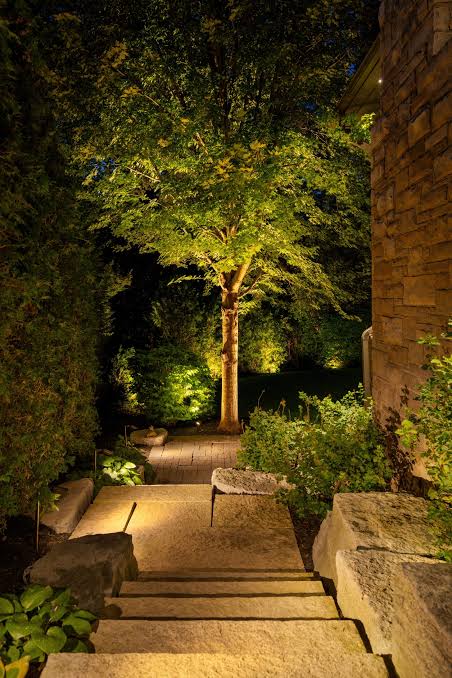
Place fixtures along the edges of frequently used paths to define the walking route. Evenly distributed light can help people follow the walkway without making the garden look overly bright.
For curved paths, position lights near important bends so that the route remains visually clear.
Enhance Driveway Edges
Lighting along a driveway can make the approach to a home more organized and welcoming. Choose fixtures that are visible enough to define the boundaries but do not create glare for drivers.
Durable models are particularly important in areas exposed to vehicle movement, irrigation water, and changing weather.
Highlight Front Entrances
A well-lit route leading to the front door creates a welcoming transition between the street and the home. Combine pathway fixtures with suitable porch or wall lights to provide balanced illumination around the entrance.
Create a Relaxing Backyard Atmosphere
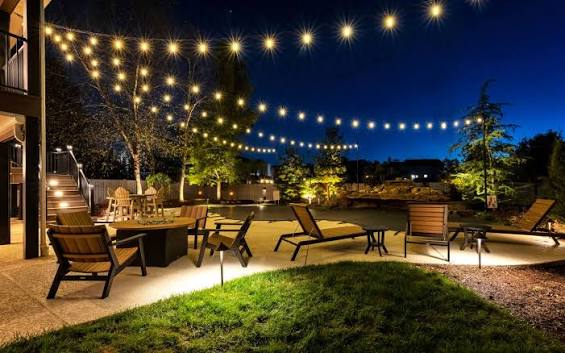
Pathway lights can connect patios, outdoor dining areas, seating spaces, and garden features. Using warm, controlled illumination helps create an inviting setting for evening relaxation and gatherings.
Installation Tips for Better Results
Correct placement is essential for both appearance and functionality. Start by identifying the areas that need the most visibility, including steps, corners, changes in elevation, and entrances.
Space fixtures according to their beam patterns, mounting heights, and brightness levels rather than following a fixed distance for every installation. Alternating lights along opposite sides of a path can create a natural visual rhythm and prevent the appearance of an overly bright runway.
Aim light toward the walking surface and avoid directing it into windows, neighboring properties, or the eyes of pedestrians. Shielded fixtures can reduce glare and help limit unnecessary light pollution.
Before completing a large installation, test the arrangement after sunset. This allows you to identify dark sections, overlapping beams, and fixtures that appear too bright.
For wired systems, use outdoor-rated components and follow local electrical safety requirements. Have mains-voltage work performed by a qualified professional.
Maintaining Your Outdoor Lighting
Regular maintenance helps preserve the appearance and performance of pathway fixtures. Clean lenses to remove dust and debris, trim plants that block illumination, and inspect fixtures for loose fittings or corrosion.
Solar lighting panels should be kept clean and positioned to receive adequate sunlight. Check rechargeable batteries when nighttime performance begins to decline.
For wired systems, inspect visible components for damage and arrange repairs when necessary. Replacing worn parts promptly can help prevent larger problems and maintain reliable illumination throughout the outdoor space.
Combining Pathway Lights with Other Exterior Fixtures
A balanced outdoor lighting plan uses different fixtures for different purposes. Pathway lights guide movement, wall lights illuminate entrances, and landscape spotlights emphasize trees, sculptures, and architectural details.
Combining these lighting layers creates a more complete design than relying on one type of fixture alone. Timers, motion sensors, and compatible smart controls can further improve convenience and help reduce unnecessary energy use.
For a cohesive result, choose complementary finishes and color temperatures while keeping the overall brightness comfortable.
Conclusion
Pathway Lights are an important part of modern Landscape & Exterior Lighting, offering a practical way to improve visibility while enhancing the beauty of outdoor spaces. From simple solar-powered fixtures to contemporary LED bollards and low-voltage systems, there are options for different property sizes, landscaping styles, and installation requirements.
By considering brightness, durability, energy efficiency, fixture placement, and overall design, homeowners can create a welcoming outdoor environment that remains attractive after sunset. With thoughtful planning and regular maintenance, pathway lighting can provide lasting value while helping gardens, driveways, and entrances look their best.