A Natural Touch of Style for Modern Indoor Houseplants
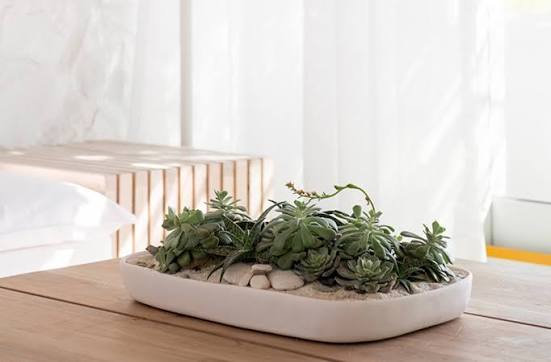
Creating a comfortable and visually appealing home often begins with small decorative choices. Adding greenery is one of the simplest ways to introduce natural color, texture, and personality into an indoor environment. Among the many plants available for home decoration, Succulents are especially popular because of their distinctive appearance, diverse varieties, and relatively straightforward care requirements.
As part of the Indoor Houseplants category, succulents offer an excellent balance between decorative beauty and practicality. Their compact shapes make them suitable for small spaces, while their unusual foliage can complement contemporary, traditional, and minimalist interiors. Whether displayed on a windowsill, arranged on a bookshelf, or placed in decorative containers, succulents provide countless opportunities to personalize your living space.
Understanding how these plants grow, which varieties are available, and how to care for them can help you create an attractive indoor collection that remains healthy throughout the year.
What Makes Succulents Special?
Succulents are plants that store water in their leaves, stems, or roots. This natural adaptation allows them to survive periods of limited moisture. Their thick, fleshy tissues distinguish them from many other houseplants and contribute to their unusual shapes and textures.
Although people often associate succulents with desert environments, these plants originate from different regions and habitats. Some thrive in sunny, dry locations, while others grow naturally in areas with filtered light or seasonal rainfall. As a result, their growing requirements can vary considerably.
Their appearance is another reason for their popularity. Some succulents form symmetrical rosettes, while others develop upright stems, rounded leaves, or trailing branches. Their colors range from deep green to blue-gray, purple, pink, and reddish tones, depending on the variety and growing conditions.
This diversity makes succulents suitable for different decorative purposes. A single plant can create a subtle accent, while a collection of contrasting varieties can become a striking feature in a room.
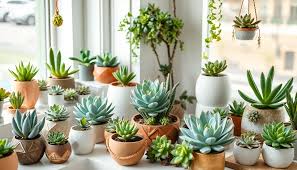
Benefits of Adding Succulents to Your Home
1. A Manageable Plant-Care Routine
Many succulents require less frequent watering than plants with thinner leaves because they store moisture within their tissues. This characteristic can make them appealing to beginners and people with busy schedules.
However, succulents still need regular observation and suitable growing conditions. Too much water can damage their roots, while insufficient light can weaken their growth. Understanding these basic requirements is essential for keeping them healthy.
2. Ideal Options for Small Spaces
Many succulent varieties remain compact, making them suitable for apartments, bedrooms, and home offices. They can decorate desks, windowsills, bedside tables, and shelves without occupying much space.
Their small size also makes it easy to rearrange a collection when refreshing your interior design. A few carefully selected plants can introduce greenery without making a room feel crowded.
3. Attractive Shapes and Colors
Succulents offer visual variety that goes beyond ordinary green foliage. Their geometric patterns, unusual leaf structures, and subtle color variations can create decorative interest even when the plants are not flowering.
Combining plants with different shapes can produce a balanced display. For example, rounded rosettes can contrast beautifully with upright leaves or delicate trailing stems.
4. Versatile Decorating Possibilities
Succulents complement many interior styles. Simple ceramic pots can emphasize their clean shapes in minimalist rooms, while terracotta containers create a warm, natural appearance.
They can also be arranged alongside wooden accessories, neutral fabrics, and decorative stones to create a cohesive indoor display.
Popular Succulent Varieties for Indoor Houseplants
Choosing the right varieties allows you to build a collection that suits your available space and personal preferences.
Echeveria
Echeveria is recognized for its rosette-shaped foliage, which resembles a layered flower. Depending on the variety, its leaves may appear green, blue-gray, pink, or purple.
These plants are particularly attractive in individual pots or carefully arranged collections. Most echeverias need bright light to maintain compact growth, so a suitable window location can be beneficial.
Aloe Vera
Aloe vera features thick, pointed leaves arranged in a distinctive rosette. Its bold appearance makes it an appealing choice for bright indoor spaces.
It generally prefers plenty of light and well-draining soil. Allow the soil to dry between waterings, and never leave the roots sitting in standing water.
Aloe vera is also important to handle responsibly. Not every aloe preparation is safe for consumption, and the plant can be harmful to cats and dogs if ingested.
Haworthia
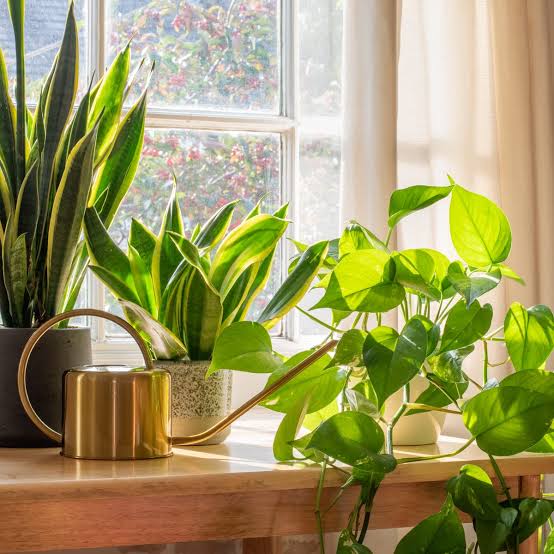
Haworthia varieties are admired for their compact growth and interesting leaf patterns. Some feature raised white markings, stripes, or translucent sections that give their foliage a distinctive appearance.
Many haworthias tolerate bright, indirect light better than some sun-loving succulents. This makes them useful options for indoor locations where direct sunlight is limited.
Jade Plant
The jade plant has thick stems and rounded, fleshy leaves. As it matures, it can develop a small tree-like appearance, making it suitable for adding structure to a plant collection.
Jade plants generally prefer bright light, well-draining soil, and careful watering. With appropriate care, they can remain attractive for many years.
String of Pearls
String of pearls is a trailing succulent with small, bead-shaped leaves. Its cascading stems create a distinctive appearance when displayed in hanging planters or on elevated shelves.
This variety generally prefers bright light and excellent drainage. Its delicate stems should be handled carefully during repotting and pruning.
How to Care for Succulents Indoors
Although many succulents are relatively easy to maintain, their health depends on providing the right balance of light, water, and soil conditions.
Provide Suitable Lighting
Light is one of the most important factors in successful succulent care. Many varieties prefer bright conditions, although some tolerate indirect light more comfortably than others.
Insufficient light can cause elongated stems, pale foliage, and widely spaced leaves. Place light-loving varieties near a bright window, and introduce them gradually to stronger direct sunlight to reduce the risk of leaf scorch.
If your home receives limited natural light, choose varieties suited to those conditions or consider using an appropriate plant-growing light.
Water Carefully
Overwatering is a common problem for indoor succulents. Although these plants store water, their roots still need oxygen and should not remain in saturated soil.
Check the growing medium before watering. Once it has dried sufficiently for the particular variety, water thoroughly and allow excess moisture to drain away.
The watering frequency depends on the plant species, pot size, temperature, and available light. Avoid following a fixed schedule without checking the soil.
Use Well-Draining Soil
Succulents generally grow best in a loose, well-draining growing medium. A cactus and succulent potting mix can help prevent excessive moisture from accumulating around the roots.
Choose containers with drainage holes whenever possible. If you prefer a decorative pot without holes, use a removable inner pot and empty any water collected in the outer container.
Choose the Right Container
The best container should provide sufficient room for the roots while allowing excess moisture to escape. Terracotta pots are popular because their porous material allows water to evaporate through the sides.
Plastic and glazed ceramic containers can also work well, but they may retain moisture for longer. Adjust your watering routine according to the material and growing conditions.
Creative Ways to Decorate with Succulents
Succulents can enhance different rooms when arranged thoughtfully. In a home office, a small haworthia or echeveria can add a natural accent without overwhelming the desk.
In a living room, a jade plant in a decorative pot can create an attractive focal point on a side table or shelf. A bright windowsill can accommodate several smaller succulents arranged according to their light requirements.
For a modern interior, choose containers in neutral colors such as white, gray, or black. For a warmer atmosphere, consider terracotta pots and natural textures.
You can also create a miniature succulent garden by combining compatible varieties in a shallow container. Select plants with similar growing requirements, leave enough room for future growth, and ensure that the container drains properly.
Avoid overcrowding your arrangement. Good airflow and adequate space help maintain healthier plants while allowing each variety to display its distinctive shape.
Common Succulent Problems and Their Solutions
Even resilient succulents can experience problems when their environment is unsuitable.
Yellowing, translucent, or mushy leaves may indicate excessive moisture. Check the soil and drainage, inspect the roots if necessary, and reduce watering when the growing medium stays wet for too long.
Wrinkled leaves may indicate that a plant needs water, although damaged roots can also prevent moisture absorption. Examine the growing conditions before deciding how to respond.
Elongated growth often signals insufficient light. Move the plant gradually to a brighter location that matches its needs.
Pests such as mealybugs may occasionally affect succulent collections. Inspect the leaves and stems regularly, isolate affected plants when appropriate, and use a suitable treatment according to its instructions.
Remember that succulent varieties do not all have identical requirements. Understanding each plant's needs is more effective than applying the same routine to every specimen.
Conclusion
Succulents are versatile plants that combine distinctive foliage, compact growth, and manageable care requirements. Their diverse shapes and colors make them valuable additions to the Indoor Houseplants category, whether you are decorating a small apartment or refreshing a spacious living area.
By choosing suitable varieties, providing adequate light, using well-draining soil, and avoiding excessive watering, you can enjoy a healthy collection that enhances your home throughout the year.
From the sculptural appearance of aloe vera to the symmetrical leaves of echeveria and the cascading stems of string of pearls, Succulents offer many ways to bring natural character into your interior. Select plants that suit your environment, pair them with complementary containers, and create a display that reflects your personal style.