A Practical Guide to Beautiful and Resilient Indoor Houseplants
Indoor greenery can transform a living space, bringing natural color, texture, and a sense of calm into everyday surroundings. Among the many plants available for home decoration, Snake Plants stand out for their distinctive appearance, adaptability, and relatively simple care requirements. Their upright leaves, architectural shapes, and attractive green patterns make them a popular choice for beginners and experienced plant enthusiasts alike.
As part of the broader category of Indoor Houseplants, snake plants offer an appealing combination of decorative value and practicality. Whether placed in a bedroom, living room, home office, or hallway, they can complement different interior styles while adding a refreshing natural element.
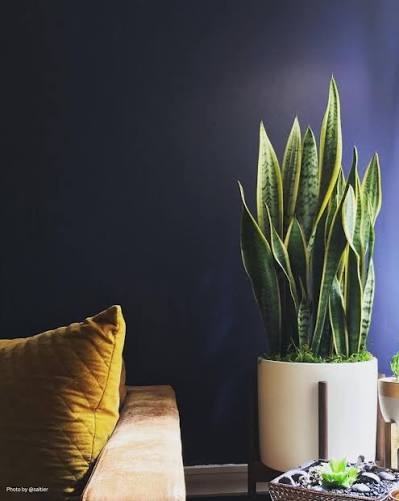
What Are Snake Plants?
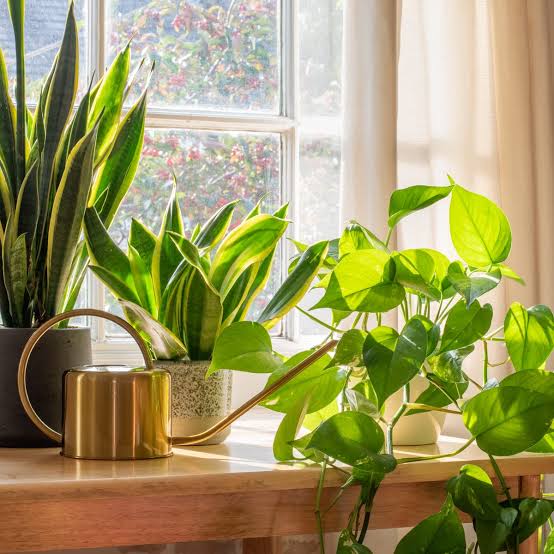
Snake plants, botanically known as Dracaena trifasciata and formerly classified as Sansevieria trifasciata, are evergreen plants native to tropical regions of West Africa. They are recognized by their stiff, sword-shaped leaves, which grow upright from the soil. Depending on the variety, their foliage may feature dark green bands, lighter green markings, yellow edges, or silvery patterns.
These plants have become popular worldwide because they combine a striking silhouette with relatively modest maintenance needs. Unlike some delicate tropical plants, snake plants can tolerate occasional missed watering and adapt to a range of indoor conditions.
Their vertical growth also makes them particularly useful for decorating smaller spaces. Instead of spreading widely across a table or shelf, many varieties grow upward, creating visual interest without occupying too much floor space.
Why Snake Plants Are Popular Indoor Houseplants
Choosing the right greenery for your home involves more than finding an attractive plant. Lighting conditions, available space, watering habits, and overall interior design can all influence your decision. Snake plants perform well in many homes because they offer flexibility in these areas.
One of their most appealing qualities is their ability to tolerate periods of dry soil. Their thick leaves store moisture, helping them cope with less frequent watering than many other popular houseplants. This characteristic makes them suitable for people who are learning basic plant care or prefer a straightforward maintenance routine.
Snake plants also have a clean, modern appearance. Their upright foliage creates a strong visual line that works well with contemporary furniture, minimalist decorations, and neutral color palettes. At the same time, their natural patterns can complement traditional interiors, wooden furnishings, and cozy living spaces.
Although snake plants are adaptable, they still need appropriate light, well-draining soil, and sensible watering practices to remain healthy.
Popular Snake Plant Varieties for Home Decoration
Snake plants are available in several varieties, each offering different shapes, sizes, and foliage patterns. Exploring these options can help you select a plant that suits your room and decorating preferences.
1. Laurentii Snake Plant
The Laurentii variety is one of the most recognizable choices. Its long, upright leaves feature dark green centers, lighter horizontal markings, and distinctive yellow margins. These contrasting colors make it an attractive focal point beside a sofa, near an entryway, or in an empty corner.
2. Bird's Nest Snake Plant
The Bird's Nest variety, often associated with the cultivar 'Hahnii', has a compact, rosette-shaped growth habit. Its shorter leaves form a rounded arrangement, making it suitable for desks, shelves, side tables, and small apartments where space is limited.
3. Moonshine Snake Plant
Moonshine is admired for its broad, silvery-green leaves. Its softer coloring creates a subtle decorative effect, particularly in rooms with white walls, light wood, or understated accessories.
4. Cylindrical Snake Plant
This variety has rounded, cylindrical leaves that grow vertically and may spread outward as the plant matures. Its unusual shape adds a contemporary touch to plant collections and looks especially appealing in simple ceramic planters.
When choosing among these varieties, consider the plant's mature size, the available light, and the amount of space you want it to occupy.
How to Care for Snake Plants
One reason snake plants remain popular is that their basic care routine is relatively simple. However, understanding their needs will help you prevent common problems and encourage healthy growth.
Provide Suitable Lighting
Snake plants tolerate a range of indoor lighting conditions, from moderate indirect light to brighter filtered light. They can survive in lower-light areas, but growth may become slower, and the foliage may lose some of its vibrancy.
For the best results, place your plant near a window where it receives bright, indirect sunlight. Avoid exposing it suddenly to intense direct sunlight, particularly during hot afternoons, because the leaves can develop scorch marks.
If you keep your plant in a dim hallway or office, monitor its condition and move it to a brighter location if growth becomes weak.
Water Only When Needed
Overwatering is one of the most common problems affecting snake plants. Because their leaves store moisture, they generally prefer the soil to dry out between waterings.
Check the soil before adding water. If the upper portion remains damp, wait before watering again. When the soil has dried sufficiently, water thoroughly and allow excess moisture to drain from the pot.
The exact watering schedule depends on temperature, light exposure, pot size, and soil composition. Plants in bright, warm rooms may need water more frequently than those growing in cooler, darker spaces.
Choose Well-Draining Soil
Snake plants need a growing medium that allows excess water to escape. A well-draining succulent or cactus potting mix can be a suitable option. A container with drainage holes is equally important because standing water around the roots can encourage rot.
Avoid leaving the pot sitting in a full saucer of water after watering. Emptying the saucer helps protect the roots and maintain healthier growing conditions.
Maintain Comfortable Temperatures
Typical indoor temperatures generally suit snake plants well. Protect them from cold drafts, freezing conditions, and sudden temperature changes. They are tropical plants and can suffer when exposed to prolonged cold.
Occasional dusting of the leaves with a soft, damp cloth can also help keep their natural patterns visible and improve the plant's overall appearance.
Decorating Your Home with Snake Plants
Snake plants can complement nearly every major room in a home when placed thoughtfully. Their upright leaves create structure, making them especially useful in spaces that need a little visual height or natural texture.
In living rooms, a taller variety can sit beside a media console, sofa, or accent chair. Choose a planter that coordinates with the surrounding furniture to create a balanced arrangement.
In bedrooms, a compact variety can add greenery to a dresser or bedside table, provided there is sufficient light. For home offices, smaller snake plants can introduce a natural decorative detail without taking up much desk space.
Entryways and hallways can also benefit from taller plants placed in suitable light. A simple floor planter can make an otherwise empty corner feel more intentional and welcoming.
For a cohesive look, combine snake plants with other Indoor Houseplants that have contrasting foliage. For example, the broad leaves of a monstera or the delicate trailing stems of a pothos can create an interesting contrast with the snake plant's upright form. Just make sure each plant receives the light and watering conditions it needs.
Common Snake Plant Problems and How to Prevent Them
Although snake plants are generally resilient, they can develop problems when their growing conditions are unsuitable.
Yellowing leaves may indicate excessive watering, poor drainage, or other environmental stress. Soft, mushy leaf bases can be a warning sign of root rot, particularly when the soil remains wet for long periods. Reduce watering and inspect the roots if these symptoms appear.
Brown or crispy leaf edges can develop because of inconsistent watering, excessive direct sunlight, or environmental stress. Review the plant's location and care routine before making major changes.
Pests such as mealybugs and spider mites may occasionally affect indoor plants. Inspect the leaves regularly, especially around their bases and undersides. If pests appear, isolate the affected plant and use an appropriate treatment according to its instructions.
One important household consideration is pet safety. Snake plants contain compounds that can cause gastrointestinal irritation if cats or dogs chew or swallow them. Keep the plant out of pets' reach and seek veterinary advice if your pet ingests part of it and develops symptoms.
Are Snake Plants Suitable for Beginners?
For many beginners, snake plants are an excellent starting point. Their tolerance for occasional dry soil, ability to grow in indirect light, and distinctive appearance make them easier to manage than plants with more demanding humidity or watering requirements.
However, beginner-friendly does not mean completely maintenance-free. Providing suitable light, avoiding waterlogged soil, and checking the leaves occasionally will help the plant thrive.
They are also a practical option for people who want greenery but have limited space. Compact varieties can fit on shelves and desks, while taller types can decorate floor areas without requiring a wide planting space.
Conclusion
Snake plants combine attractive foliage, versatile styling possibilities, and manageable care requirements, making them a valuable addition to a wide range of homes. From the bold yellow-edged Laurentii to the compact Bird's Nest variety, there are options for different rooms, decorative preferences, and available spaces.
By providing suitable light, watering only when necessary, and choosing well-draining soil, you can enjoy these resilient plants for years. If you are exploring Indoor Houseplants for your living room, bedroom, or home office, snake plants are a practical way to introduce natural beauty without creating a complicated care routine.
Choose a variety that suits your space, pair it with a complementary planter, and let its distinctive foliage become a lasting part of your home's interior design.
Related posts