A Natural Way to Refresh Your Home with Indoor Houseplants
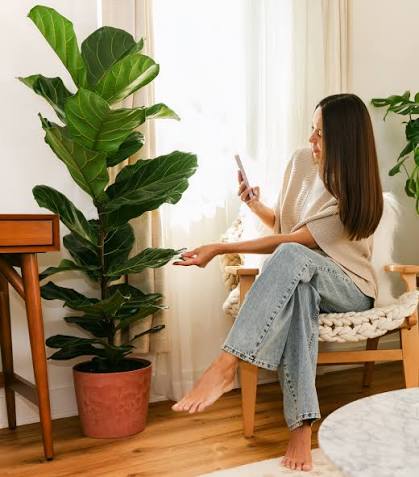
Creating a comfortable and attractive home involves more than choosing furniture and decorative accessories. Natural elements can bring warmth, texture, and personality into an interior, making everyday spaces feel more inviting. Potted Palms are an excellent choice for homeowners who want to introduce greenery while maintaining an elegant and organized appearance. With their distinctive leaves and varied growth patterns, these plants can complement everything from contemporary apartments to traditional family homes.
Whether you want to decorate an empty corner, brighten a home office, or create a tropical-inspired living room, indoor palms offer plenty of possibilities. Their different sizes and shapes make them versatile additions to the Indoor Houseplants category, allowing you to select a variety that suits your available space, lighting conditions, and decorating preferences.
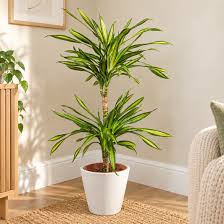
Why Potted Palms Are a Popular Indoor Decorating Choice
Potted palms have a recognizable appearance that distinguishes them from many other houseplants. Their arching fronds and layered foliage introduce movement into a room, creating a natural contrast with straight furniture lines and smooth architectural surfaces.
One advantage of these plants is their versatility. Smaller varieties can fit beside a desk or on a stable plant stand, while taller specimens can become statement pieces in spacious living rooms. This flexibility makes palms suitable for different room layouts and decorating styles.
Potted palms can also help create a consistent interior design theme. A single large palm can anchor an otherwise empty corner, while several smaller plants can create a coordinated arrangement across different rooms.
Their natural green color works well with neutral shades, wooden furniture, textured fabrics, and contemporary finishes. Whether your home features minimalist décor or a more traditional aesthetic, a carefully selected palm can enhance the overall atmosphere without requiring major design changes.
Explore Different Types of Indoor Potted Palms
Selecting the right palm begins with understanding its growth pattern, appearance, and care requirements. Several varieties are particularly popular for indoor environments.
Areca Palm for a Full, Tropical Appearance
The areca palm is known for its feathery leaves and multiple slender stems. Its lush appearance makes it a suitable option for living rooms, bright corners, and larger indoor spaces that need a natural focal point.
Areca palms generally prefer bright, indirect light and soil that remains moderately moist without becoming waterlogged. Their foliage can spread as they mature, so allow enough room for the leaves to develop naturally.
A tall, neutral-colored planter can emphasize the plant's height and create a balanced arrangement beside a sofa, console table, or large window.
Parlor Palm for Smaller Rooms
The parlor palm is a compact variety that works well in apartments, bedrooms, and home offices. Its delicate fronds and relatively manageable size make it easy to incorporate into existing décor.
This palm tolerates lower light levels better than many other varieties, although it still benefits from appropriate indirect light. Avoid exposing it to harsh direct sunlight, which may damage its leaves.
Its smaller footprint also makes it useful for combining with other Indoor Houseplants on shelves or plant stands, provided each plant receives suitable light and care.
Kentia Palm for Elegant Interiors
The kentia palm is valued for its graceful, arching fronds and refined appearance. It is often selected for spacious living rooms, entrance areas, and offices where a tall plant can add visual interest.
Kentia palms can adapt to moderate indoor lighting, although their growth may be slower in dim conditions. They require well-draining soil and careful watering to avoid excessive moisture around the roots.
Pairing a kentia palm with a simple ceramic planter can create an understated, sophisticated look that complements both modern and classic interiors.
Bamboo Palm for Vertical Greenery
Bamboo palms feature slender, upright stems and attractive foliage. Their growth habit can introduce height into an interior without necessarily requiring the broad footprint of a larger spreading plant.
They generally prefer bright, indirect light and appropriate, consistent soil moisture. Bamboo palms can work well in living rooms, offices, and other spaces with suitable lighting.
Because common plant names can refer to different species, confirm the variety before purchasing so that you can follow the correct care instructions.
How to Select the Right Pot for Your Palm
The container plays an important role in plant health and interior styling. A suitable pot should support root development while complementing the surrounding furniture and decorations.
Choose a suitable size. Select a container that comfortably accommodates the existing root system. An excessively large pot may retain moisture for too long, increasing the risk of root problems.
Look for drainage holes. Proper drainage allows excess water to escape. If you prefer a decorative container without holes, place the plant in a removable nursery pot and empty collected water after watering.
Consider the material. Ceramic pots offer a polished finish and come in many colors. Terracotta provides a natural appearance and allows moisture to evaporate through its porous surface. Lightweight plastic pots can be practical when larger plants need to be moved.
Match the interior design. White, beige, gray, and charcoal planters can create a clean contemporary look, while earthy finishes add warmth to rustic interiors.
For a cohesive display, coordinate the pot's color and texture with nearby furniture, flooring, and decorative accessories.
Finding the Best Location for Indoor Palms
Light availability is one of the most important factors when deciding where to place potted palms. Many popular indoor varieties prefer bright, indirect light, although individual requirements differ.
A location near a window with filtered sunlight may provide suitable conditions. However, strong direct sunlight can scorch sensitive leaves, particularly when a plant has not gradually adapted to brighter conditions.
Some palms tolerate lower light levels, but insufficient light may slow growth and affect foliage quality. If a room receives very little natural light, a suitable grow light can help provide additional illumination.
Temperature and airflow also matter. Avoid positioning palms directly beside heating equipment, air-conditioning vents, or frequently opened exterior doors where sudden changes may stress the plant.
Consider the room's layout as well. Leave enough clearance for the foliage to spread without blocking walkways, doors, or access to furniture. A well-chosen location supports both healthy growth and attractive presentation.
Watering and Feeding Potted Palms
A balanced watering routine helps maintain healthy roots and attractive leaves. The amount of water required depends on the palm variety, pot size, temperature, soil mixture, and available light.
Check the soil before watering rather than following a strict calendar. Many indoor palms benefit from allowing the upper layer of soil to dry slightly, while some varieties prefer more consistent moisture.
When watering, moisten the soil thoroughly and allow excess water to drain. Never leave the pot standing in water for extended periods, as saturated soil can contribute to root damage.
Use a suitable, well-draining potting mix and provide fertilizer formulated for houseplants when needed during active growth. Follow the product instructions and avoid excessive feeding.
If the leaves develop brown tips, investigate possible causes such as inconsistent watering, low humidity, mineral buildup, or unsuitable lighting. Examine the plant's overall environment before making major changes to its care routine.
Creative Ways to Decorate with Potted Palms
Potted palms can enhance different rooms when their size, shape, and placement complement the surrounding décor.
In the living room, a tall palm can fill an empty corner beside a sofa or near a bright window. A decorative basket around a suitable nursery pot can add texture, provided it does not trap excess water.
In a bedroom, a smaller palm can create a natural accent beside a dresser or on a stable plant stand. Choose a location with appropriate light and enough space for comfortable movement.
Home offices can benefit from compact palms that soften the appearance of desks and storage furniture. Place the plant where its leaves will not interfere with equipment or work surfaces.
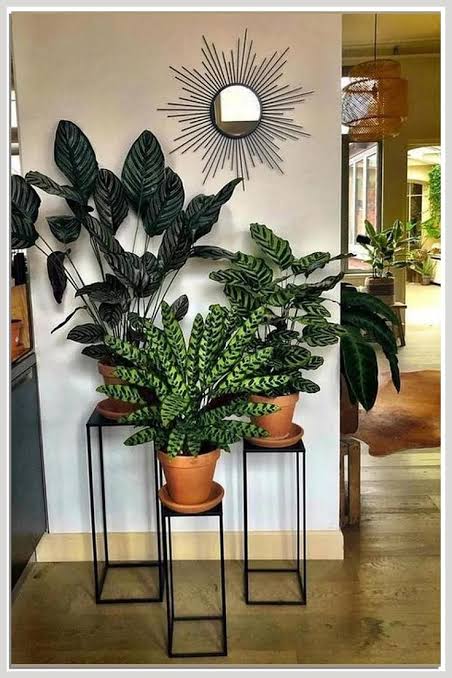
For larger interiors, combine palms with plants that have contrasting leaf shapes. Varying heights can create a layered display, while coordinating the containers helps maintain a unified appearance.
Avoid overcrowding the arrangement. Giving each plant enough space improves its presentation and makes routine watering, cleaning, and inspection easier.
Simple Maintenance for Healthy Indoor Palms
Consistent care can help potted palms remain attractive for years. Gently remove dust from foliage with a soft, damp cloth when appropriate, taking care not to damage delicate leaves.
Trim completely dead or severely damaged fronds using clean tools, but avoid removing healthy green leaves unnecessarily. Healthy foliage contributes to the plant's development.
Inspect leaves and stems regularly for pests such as spider mites or scale insects. If you notice signs of infestation, identify the problem and select a treatment suitable for the plant.
Repot when the roots become crowded or the potting mix no longer drains effectively. Avoid moving the plant into a substantially larger container unless necessary.
Regular observation is often the best way to identify problems early. Changes in leaf color, soil moisture, or growth can provide useful clues about whether the plant's conditions need adjustment.
Conclusion
Potted palms provide a versatile way to introduce natural texture, height, and elegance into indoor environments. From compact parlor palms to lush areca palms and graceful kentia varieties, different options can complement a wide range of room sizes and decorative styles.
By choosing an appropriate variety, selecting a pot with good drainage, providing suitable lighting, and maintaining balanced watering, you can create a healthy and attractive indoor display. Whether used as a statement feature or combined with complementary greenery, potted palms remain a valuable choice within the Indoor Houseplants category, helping make your home feel more welcoming and connected to nature.