Create a Welcoming Outdoor Space with Timeless Style
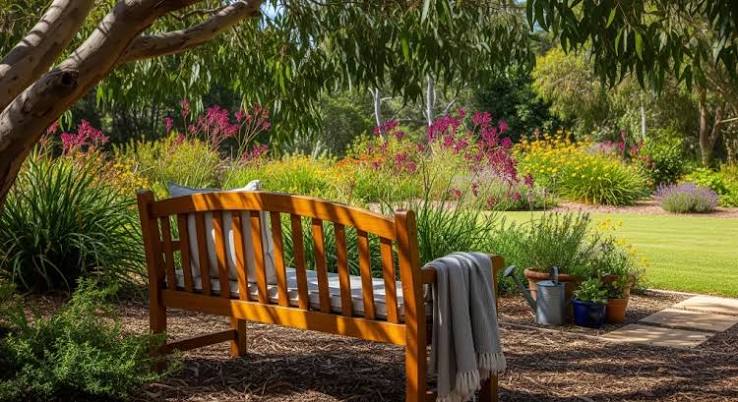
Designing an attractive outdoor environment begins with choosing furniture that suits your lifestyle and complements the surrounding landscape. Whether you enjoy quiet mornings outdoors, host family gatherings, or simply want a comfortable place to appreciate your garden, the right seating can make a significant difference. Garden Benches offer a practical and stylish solution, bringing together everyday comfort, decorative appeal, and flexible placement.
From traditional backyards to contemporary patios, garden benches can enhance outdoor spaces of almost any size. They provide a convenient place to sit while preserving an open layout, making them a valuable addition to the Outdoor Garden Seating category. With different materials, finishes, and designs available, homeowners can find benches that reflect their preferences while meeting the practical demands of outdoor living.
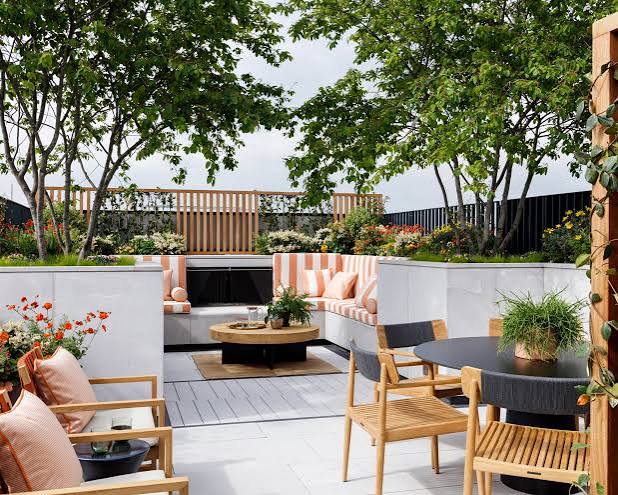
Why Garden Benches Belong in Every Outdoor Furniture Collection
Garden benches are among the most adaptable pieces of outdoor furniture. Their simple structure makes them suitable for various settings, including landscaped gardens, front porches, courtyards, and spacious terraces.
One of their greatest advantages is their ability to provide seating without requiring a large footprint. A thoughtfully positioned bench can accommodate several people while leaving room for plants, pathways, and other outdoor features.
Benches also help create inviting destinations within a garden. Placing one near a flowering border or beneath a shady tree encourages people to pause and enjoy their surroundings. In larger outdoor spaces, a bench can establish a separate relaxation zone away from dining or entertainment areas.
Their decorative value is equally important. A wooden bench can introduce warmth, while a metal design may add elegance or a contemporary touch. Woven styles can create a relaxed atmosphere that works particularly well in informal outdoor settings.
Discover Garden Bench Styles for Different Landscapes
The best garden bench is one that balances appearance, comfort, and suitability for its intended location. Exploring different styles can help you identify the right option for your space.
Traditional Garden Benches
Traditional benches often feature curved armrests, decorative backrests, and familiar silhouettes. These details work beautifully in established gardens, cottage-inspired landscapes, and outdoor areas with classic architectural features.
Wooden versions create a natural appearance, while ornamental metal designs can introduce an elegant focal point. Pairing a traditional bench with climbing plants, decorative pots, or a stone pathway helps establish a coordinated outdoor setting.
For a balanced arrangement, choose a finish that complements nearby fences, planters, and other furniture rather than competing with them.
Contemporary Garden Benches
Contemporary garden benches typically emphasize clean lines, understated finishes, and practical construction. Their streamlined appearance suits modern patios, minimalist gardens, and outdoor spaces with geometric landscaping.
Aluminum frames, simple wooden slats, and neutral colors are common design choices. These benches can be paired with modern outdoor chairs and compact tables to create a cohesive seating arrangement.
Their uncomplicated appearance is particularly useful in smaller spaces, where visually heavy furniture may make the surroundings feel crowded.
Storage Garden Benches
Storage benches combine seating with a compartment for selected outdoor accessories. Depending on the design, the storage area may accommodate cushions, gardening gloves, small tools, or other lightweight items.
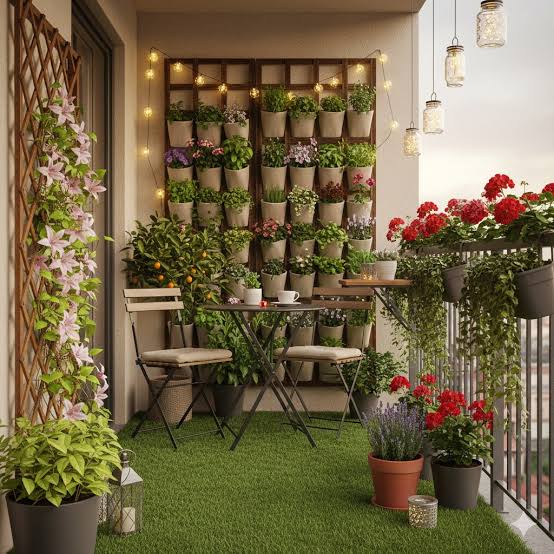
This style can be useful on patios, balconies, and compact terraces where separate storage furniture would occupy too much room.
Before purchasing, check the compartment dimensions, ventilation, weight capacity, and weather protection. Do not assume that a storage bench is completely waterproof unless the manufacturer specifically confirms it.
Backless Garden Benches
Backless benches offer a simple appearance and can often be approached from either side. They work well beside outdoor dining tables, along pathways, or in gardens where an unobstructed view is desirable.
Because they provide less upper-body support than benches with backrests, they may be more appropriate for shorter periods of sitting or flexible seating arrangements. Consider the intended use before choosing this style.
Choosing Durable Materials for Outdoor Conditions
Outdoor furniture must cope with environmental conditions that can gradually affect its appearance and structure. Selecting appropriate materials helps reduce maintenance and improve long-term performance.
Wood remains a popular choice because of its natural texture and warm appearance. Teak and other outdoor-suitable hardwoods can be attractive options, although all wood furniture benefits from care appropriate to its species and finish.
Metal benches offer structural strength and a variety of decorative possibilities. Aluminum is lightweight and generally resistant to rust, while coated steel can provide a sturdy seating surface. Protective finishes should be checked periodically for scratches or other damage.
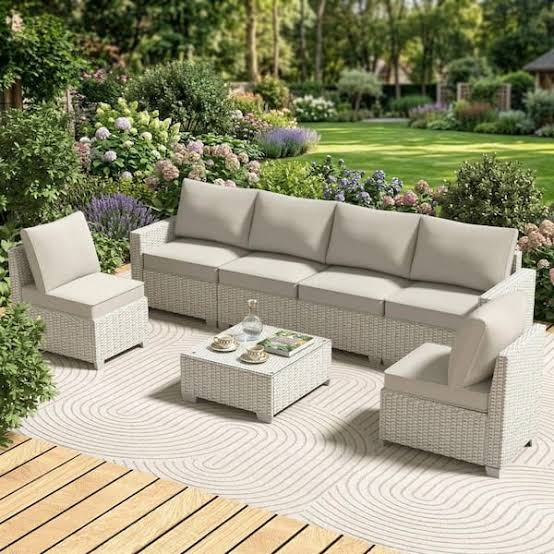
Synthetic woven materials can deliver the appearance of rattan while being designed for outdoor use. They are often suitable for relaxed patios and contemporary gardens, particularly when combined with outdoor-grade cushions.
Stone and concrete benches offer a substantial, permanent appearance. They can work well in formal gardens and landscaped courtyards, although their weight makes installation and repositioning more difficult.
Whichever material you choose, consider its expected exposure to sunlight, rain, humidity, and dust. Suitable covers, sheltered placement, and routine cleaning can help protect your furniture.
How to Select the Right Garden Bench for Your Needs
Choosing Garden Benches requires attention to several practical details beyond appearance.
Measure the available space. Check the bench's width, depth, and height, and leave enough room for comfortable access. A compact bench may suit a small courtyard, while a longer model can provide useful seating in a spacious backyard.
Evaluate seating comfort. Consider the seat depth, backrest angle, armrests, and overall construction. If you plan to spend extended periods sitting outdoors, supportive design features become particularly important.
Check construction quality. Look for stable legs, secure joints, and suitable weight capacity. For folding or adjustable designs, inspect the locking mechanisms and follow the manufacturer's safety guidance.
Consider maintenance. Think about whether you prefer a material that needs occasional protective treatment or one that requires relatively simple cleaning.
Set a realistic budget. Compare the construction, materials, warranty, and care requirements rather than choosing solely by price. A suitable bench should offer the features you need and fit your outdoor environment.
Creative Ways to Arrange Garden Benches
Strategic placement can make a bench feel like a natural part of the landscape rather than an isolated piece of furniture.
A bench beside a flower bed creates a pleasant place to appreciate seasonal colors and fragrances. Choose a position that allows easy access without requiring people to walk through planted areas.
For a peaceful retreat, place a bench beneath a tree or near a shaded wall. Adding a small side table can create a convenient spot for refreshments, books, or a cup of coffee.
On a patio, a bench positioned against a wall can preserve central floor space for movement and other furniture. This arrangement works particularly well when the bench is combined with planters or outdoor wall lighting.
In larger gardens, consider placing seating near an attractive view, such as a pond, fountain, or landscaped border. The surrounding features can provide visual interest and make the seating area more enjoyable.
If you regularly entertain guests, a bench near an outdoor dining area can provide additional seating without requiring a full matching set of chairs.
Enhance Your Outdoor Seating with Accessories
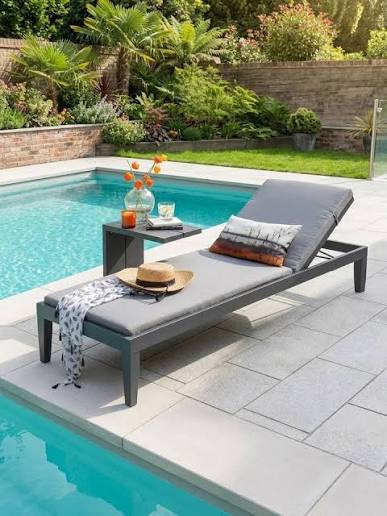
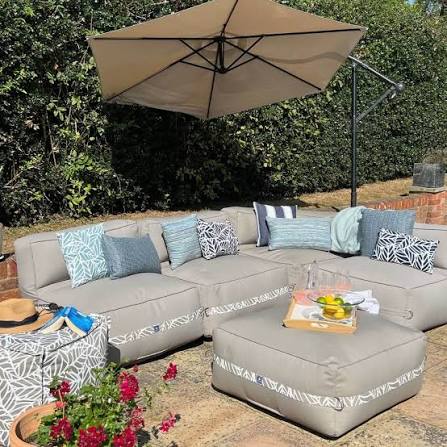
Accessories can help connect your bench to the rest of your Outdoor Garden Seating collection. Outdoor cushions add softness and provide an opportunity to introduce complementary colors.
Neutral fabrics create a calm, understated appearance, while shades of green, blue, or terracotta can reflect the colors of the surrounding landscape. Choose fabrics designed for outdoor conditions and store removable cushions appropriately during prolonged wet weather.
A compact table beside the bench adds functionality without requiring much space. Decorative planters can frame the seating area, while solar garden lights can make nearby paths easier to see after sunset.
Keep the arrangement practical by avoiding excessive decorations. The goal is to make the seating area comfortable and inviting while preserving enough space for movement.
Garden Bench Maintenance and Care
Regular maintenance helps preserve the appearance and usability of outdoor furniture. Begin by removing leaves, dust, and dirt before they accumulate.
Clean the bench using products suitable for its material. Wooden surfaces may require periodic oiling, sealing, or other recommended treatment. Metal benches should be checked for damaged coatings, loose fasteners, or signs of corrosion.
Woven benches benefit from gentle cleaning to remove dirt between the strands. Stone and concrete models may need occasional attention to surface stains or organic growth.
During severe weather, move lightweight furniture to a sheltered location when possible. Use suitable covers if recommended by the manufacturer, and ensure adequate ventilation to minimize trapped moisture.
Inspect the bench's stability periodically, tightening loose fasteners as directed and addressing structural damage before continued use.
Conclusion
Garden benches are a practical way to improve the comfort, organization, and appearance of outdoor living spaces. With traditional wooden designs, contemporary metal frames, convenient storage options, and durable stone styles, there is a solution for almost every garden and patio.
By choosing appropriate materials, measuring your space, and considering comfort and maintenance, you can create a seating area that complements your landscape and suits your lifestyle. Combined with thoughtful placement and suitable accessories, Garden Benches can become a lasting and attractive part of your Outdoor Garden Seating collection.
Related posts