Create a Relaxing Retreat with Stylish Outdoor Garden Seating
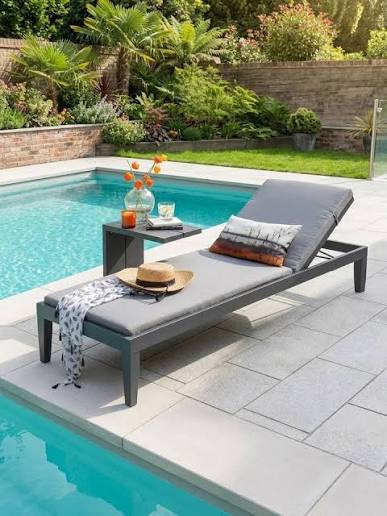
A beautiful garden is more than a place to grow plants or enjoy the outdoors. With the right furniture, it can become a comfortable extension of your home where you relax, entertain guests, and enjoy peaceful moments in the fresh air. Sun Loungers are an excellent choice for creating this kind of environment, combining practical reclining features with attractive designs that complement different outdoor settings. As part of the Outdoor Garden Seating category, sun loungers provide a dedicated space for relaxation while enhancing the overall appearance of your garden, patio, or terrace.
Whether you prefer a contemporary aluminum design, a natural wooden frame, or a woven rattan finish, choosing suitable loungers can help you build an outdoor area that reflects your personal style and lifestyle.
Why Sun Loungers Are a Valuable Addition to Outdoor Garden Seating
Sun loungers offer a different experience from traditional garden chairs. Their extended seating surfaces allow users to stretch out comfortably, making them suitable for reading, resting, and enjoying the surrounding landscape.
Many models include adjustable backrests that support several reclining positions. This feature allows you to sit upright while reading or move into a more relaxed position when taking a break. Some designs also include armrests, wheels, or removable cushions to improve convenience.
Another advantage is their versatility. Sun loungers can be placed beside a swimming pool, on a sunny patio, beneath a pergola, or in a quiet garden corner. They can also complement existing outdoor sofas and dining furniture, creating a more complete outdoor living arrangement.
With a wide selection of shapes, materials, and colors available, it is easy to find a style that fits your available space and preferred garden aesthetic.
Popular Types of Sun Loungers for Every Outdoor Space
Understanding the different designs can help you choose the right furniture for your garden.
Adjustable Sun Loungers
Adjustable sun loungers are designed for flexibility and everyday comfort. Their backrests can be repositioned to support different activities, including reading, relaxing, and enjoying the sunshine.
When choosing an adjustable model, pay attention to the stability of the frame and the quality of the adjustment mechanism. The backrest should move smoothly and remain securely in the selected position.
These loungers are suitable for gardens and patios where furniture is used throughout the day for different purposes.
Folding Sun Loungers
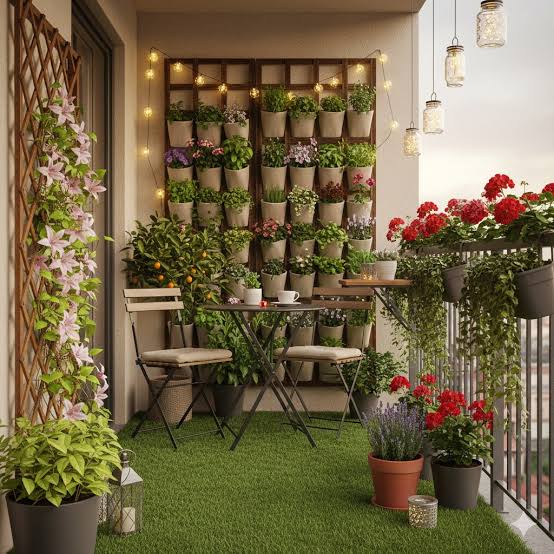
Folding sun loungers are ideal for compact outdoor spaces. They can be folded away when not needed, making them practical for small patios, balconies, and gardens with limited storage.
Their lightweight construction can also make transportation easier. If you plan to move your loungers frequently, check their folded dimensions, overall weight, and locking mechanism before purchasing.
Wooden Sun Loungers
Wooden sun loungers bring natural warmth to outdoor spaces. Their organic appearance complements landscaped gardens, timber decking, stone pathways, and traditional patio designs.
Different types of timber have different maintenance needs, so choose a model intended for outdoor use. Depending on the wood and finish, periodic cleaning, sealing, or protective treatment may be necessary.
Pairing wooden loungers with neutral cushions and simple side tables can create a calm, natural-looking relaxation area.
Aluminum Sun Loungers
Aluminum sun loungers are popular for their lightweight frames and resistance to rust. Their clean lines work well in contemporary gardens, modern terraces, and poolside settings.
Many models combine metal frames with breathable fabric seating, offering a streamlined appearance and convenient maintenance. Before buying, check the frame's stability, the fabric's UV resistance, and the manufacturer's recommended care routine.
Rattan Sun Loungers
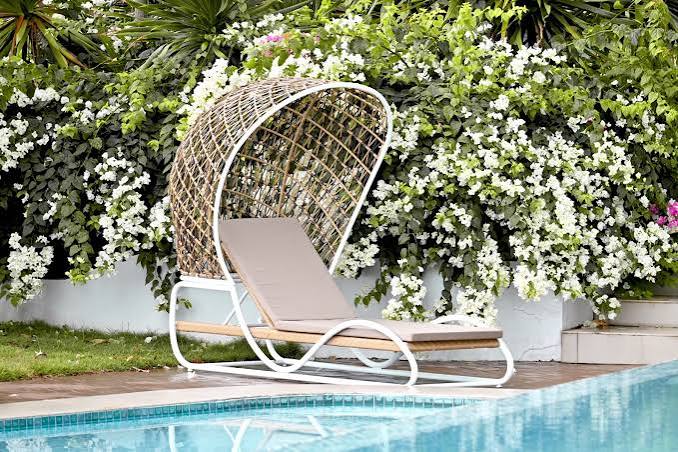
Rattan-style sun loungers introduce texture and a relaxed atmosphere to outdoor seating arrangements. Synthetic rattan is commonly used for exterior furniture because suitable outdoor-grade versions are designed to resist moisture and withstand everyday environmental exposure.
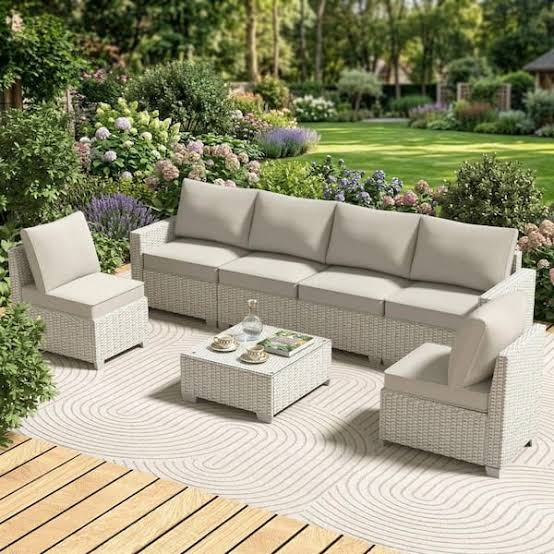
These loungers can be coordinated with matching garden sofas, woven coffee tables, and decorative planters. Their versatile appearance suits both contemporary and resort-inspired outdoor designs.
Choosing the Best Materials for Outdoor Durability
Outdoor furniture is exposed to sunlight, dust, humidity, and changing weather conditions. Selecting appropriate materials can help preserve its appearance and functionality.
Aluminum is a practical option for people who want lightweight furniture that resists rust. Steel can provide sturdy support, although its outdoor performance depends on the quality of its protective coating and ongoing maintenance.
Wood offers a natural appearance but may require more regular care, depending on the timber and finish. Synthetic rattan creates a woven look while providing practical properties for suitable outdoor environments.
The seating surface also matters. Breathable fabric can be comfortable in warm weather, while padded cushions provide additional softness. If your loungers will receive direct sunlight for long periods, consider fabrics designed to resist fading.
Remember that weather-resistant materials are not always completely waterproof. Following the manufacturer's care instructions and protecting furniture during prolonged rain can help extend its useful life.
How to Select Sun Loungers That Fit Your Garden
The best sun loungers are those that suit your space, comfort preferences, and daily routine.
Begin by measuring the area where you intend to place the furniture. Leave enough room to walk around each lounger, adjust its backrest, and access nearby tables or garden features.
For smaller patios, folding loungers or slim designs can provide comfortable seating without overcrowding the area. Larger gardens can accommodate wider loungers, matching pairs, or multiple pieces arranged around a central feature.
Consider the level of support you prefer. Check the length of the seating surface, the stability of the frame, and whether the design offers the reclining positions you need. If several people will use the loungers, choose models with appropriate weight capacities and easy-to-adjust features.
Storage is another important factor. Lightweight or folding designs can be useful if furniture needs to be moved indoors during unfavorable weather or stored during periods of non-use.
Finally, compare construction quality, warranty coverage, cleaning requirements, and overall value before making your decision.
Styling Sun Loungers for an Attractive Outdoor Setting
Thoughtful styling can transform a simple lounger arrangement into an inviting garden retreat.
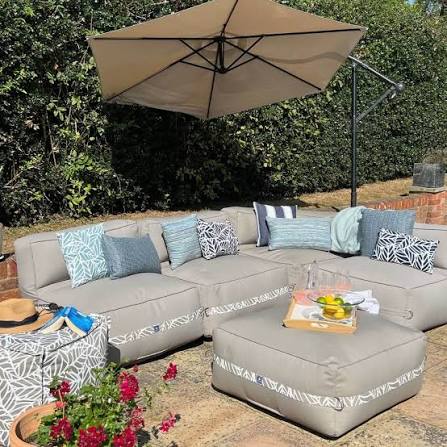
Position your loungers where they offer a pleasant view of the landscape or convenient access to a pool or patio. Consider the direction of sunlight throughout the day. An outdoor umbrella, pergola, or shade sail can provide additional comfort when the sun becomes intense.
A small side table is a useful addition for keeping drinks, books, and personal items nearby. Choose a design that complements the lounger frame and leaves sufficient room for movement.
Planters introduce greenery and help connect the furniture with the surrounding garden. Outdoor rugs can define a relaxation zone on a terrace, while lanterns and suitable outdoor lighting make the area more welcoming in the evening.
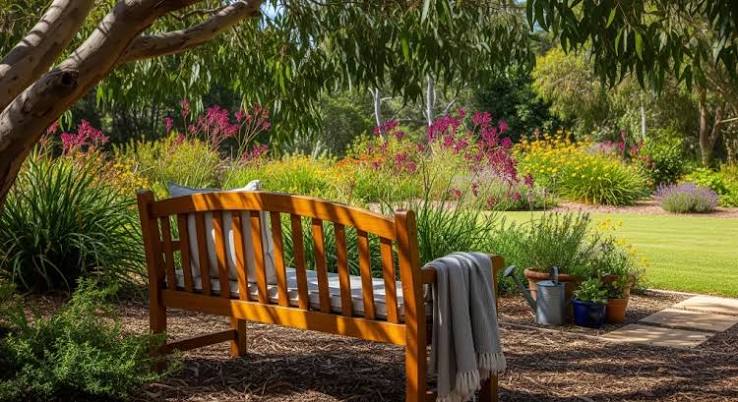
For a coordinated appearance, select a consistent color palette. Wooden frames paired with beige cushions create a natural atmosphere, while aluminum loungers with gray or dark cushions suit contemporary settings. Colorful accessories can introduce personality without overwhelming the design.
Maintaining Sun Loungers for Long-Term Use
Regular maintenance helps outdoor loungers remain comfortable and attractive. Remove dust, leaves, and debris with a soft brush or cloth, and clean the surfaces according to the manufacturer's instructions.
Wooden furniture may require periodic protective treatments, while aluminum frames generally need routine cleaning and inspection. Synthetic rattan can often be cleaned with mild soap and water when permitted by the manufacturer.
Check adjustable backrests, folding mechanisms, and fasteners periodically to ensure they function properly. Address any loose components according to the product's maintenance instructions.
If your loungers include removable cushions, store them in a dry place during prolonged wet weather. Suitable furniture covers can provide additional protection, but breathable covers help reduce trapped moisture. Move the furniture to a sheltered location during severe weather when recommended.
Conclusion
Sun loungers combine comfort, versatility, and attractive design, making them an excellent addition to outdoor gardens, patios, balconies, and terraces. From adjustable aluminum models to traditional wooden designs and woven rattan options, there is a style to suit different spaces and preferences.
By choosing suitable materials, measuring your available space, and considering comfort and maintenance requirements, you can create a relaxing outdoor environment that complements your lifestyle. As an important part of Outdoor Garden Seating, sun loungers provide a practical way to enjoy your garden while creating a welcoming setting for everyday relaxation and outdoor leisure.
Related posts