Transform Your Balcony Into an Organized and Beautiful Outdoor Space
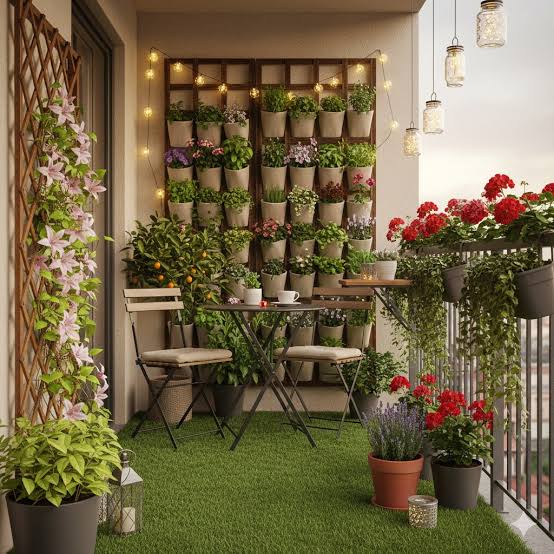
A thoughtfully designed balcony can provide extra living space where you can relax, grow plants, enjoy a morning coffee, or spend time outdoors. However, keeping this area organized can be challenging, especially when the available floor space is limited. Balcony Shelves offer a practical way to improve organization while adding decorative appeal to your outdoor environment.
As part of the Balcony & Terrace Furniture category, balcony shelves help homeowners take advantage of vertical space without overcrowding their balconies. They provide convenient places for flowerpots, gardening tools, lanterns, books, and other lightweight accessories. With different sizes, materials, and designs available, shelving can complement both contemporary and traditional outdoor furniture.
Whether you have a narrow apartment balcony or a spacious terrace, the right shelving solution can help you create an attractive, functional, and comfortable outdoor setting.
How Balcony Shelves Make Small Spaces More Functional
Small balconies require careful planning because every piece of furniture affects the available room. Large cabinets and bulky storage units may reduce walking space, making the area feel crowded. Balcony shelves provide an alternative by organizing belongings vertically.
Using wall space or narrow shelving units allows you to keep essential items accessible while leaving more room for seating and movement. This is particularly helpful for homeowners who want to combine a small relaxation area with a balcony garden.
Shelves also make it easier to organize items according to their purpose. Gardening accessories can occupy one section, decorative objects another, and plants can be arranged at different heights to create visual interest.
For larger terraces, shelving can help define separate areas for gardening, decoration, or outdoor entertaining. Instead of leaving accessories scattered across tables and floors, you can create a coordinated arrangement that looks cleaner and feels more practical.
By combining storage and display functions, balcony shelves help homeowners make better use of their outdoor spaces.
Popular Balcony Shelving Designs
Choosing a suitable shelving design depends on the balcony layout, intended use, and preferred decorating style.
Wall-Mounted Shelves
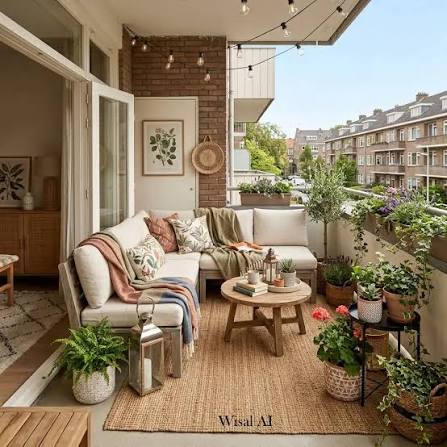
Wall-mounted shelves are a practical choice for balconies where floor space is limited. Attached to a suitable wall, they can hold small planters, decorative objects, and lightweight gardening supplies.
These shelves come in different shapes and finishes, making it easy to coordinate them with existing outdoor furniture. A single shelf can create a simple decorative feature, while several shelves arranged vertically can provide additional display space.
Before installation, check the strength of the wall and select appropriate mounting hardware. Consider the combined weight of the shelf and everything placed on it, especially when using plant pots filled with wet soil.
Freestanding Shelving Units
Freestanding shelving units offer flexible storage without requiring permanent wall installation. They are available in narrow, tall designs for compact balconies and wider configurations for spacious terraces.
Their main advantage is versatility. Some units can be repositioned when you change the furniture layout or reorganize your plants. However, the shelving should stand securely on a level surface and be suitable for outdoor use.
If your balcony receives strong winds, consider how the unit can be positioned or secured safely. Avoid placing unstable shelving near exposed edges or in locations where objects could fall.
Corner Shelves
Corner shelves make productive use of areas that might otherwise remain empty. Their compact shape allows them to fit into corners while preserving the central floor area for chairs, tables, and movement.
They are particularly suitable for displaying small plants, lanterns, and decorative accessories. Corner designs can also help create a layered appearance when combined with larger planters or nearby seating.
Tiered Plant Shelves
Tiered shelving provides several levels for arranging plants. This design is useful for homeowners who enjoy gardening but do not have enough room for numerous pots on the floor.
Different levels can accommodate plants of varying sizes, creating a compact vertical garden. Before purchasing, check the unit's weight capacity and ensure that it can support the combined weight of pots, soil, and water.
Choose a location that provides suitable sunlight for the plants and allows excess water to drain without damaging the balcony surface or affecting neighboring properties.
Folding Shelves
Folding shelves can help maximize flexibility in multipurpose outdoor spaces. Depending on their design, they can be folded away when additional room is required.
These models may be useful for compact balconies where furniture arrangements change throughout the day. Look for a reliable folding mechanism, suitable materials, and a clearly stated weight limit.
Selecting the Best Materials for Balcony Shelves
The material you choose influences the shelving's durability, appearance, and maintenance requirements.
Metal shelving offers a contemporary appearance and can provide a sturdy structure. Aluminum is lightweight and generally resistant to rust, while coated steel can offer additional strength. Choose finishes designed for outdoor conditions and inspect them periodically for scratches or corrosion.
Wooden shelving introduces warmth and natural texture. It pairs well with wooden chairs, woven accessories, and green plants. However, wood can be affected by moisture and sunlight, so the appropriate protective treatment depends on the wood species and finish.
Plastic shelving is often lightweight and easy to clean. It can be useful for lightweight pots and everyday gardening accessories. Look for products suitable for outdoor exposure, as prolonged sunlight may affect some plastic materials.
Mixed-material shelving combines materials such as metal frames and wooden surfaces. These designs can complement different furniture styles, but each component should be appropriate for the intended environment.
When comparing materials, consider your local weather, the amount of direct sunlight, and whether the balcony is covered or fully exposed.
Creative Ways to Decorate Balcony Shelves
Balcony shelves can do more than store everyday objects. They can become an important part of your outdoor decorating plan.
One option is to create a small herb garden. Arrange pots of mint, basil, or parsley on suitable shelves, grouping plants according to their sunlight and watering requirements.
Another idea is to display decorative planters in coordinated colors. Combining different plant heights and leaf shapes can create an attractive arrangement without requiring expensive accessories.
For a relaxing atmosphere, add a few outdoor lanterns or weather-appropriate ornaments. Avoid filling every shelf, because leaving open space helps the display look organized and keeps items accessible.
You can also dedicate one shelf to lightweight gardening tools, gloves, and plant labels. Keeping these items together makes routine gardening easier and reduces clutter.
If the balcony is used for entertaining, shelves can display small decorative pieces that complement nearby chairs and tables. However, avoid storing food or delicate accessories outdoors unless the location provides appropriate protection.
Coordinating Shelves With Balcony and Terrace Furniture
A cohesive furniture arrangement depends on how different pieces work together. Balcony shelves should complement the colors, materials, and proportions of the surrounding furniture.
For a modern balcony, consider black metal shelves paired with streamlined chairs and a compact outdoor table. Wooden shelves can create a warmer appearance when combined with woven seating, neutral cushions, and natural decorative accessories.
If you have a small balcony, choose narrow shelving that does not block doors or restrict movement. Wall-mounted and corner designs can be especially useful because they preserve floor space.
On a larger terrace, a freestanding shelving unit can help organize a dedicated plant display or create a decorative backdrop for an outdoor seating area.
Consider both appearance and accessibility when positioning shelves. Frequently used items should be easy to reach, while heavier objects should be placed on shelves designed to support their weight.
Maintenance and Weather Protection
Outdoor shelves require appropriate care to maintain their condition. Dust, moisture, sunlight, and changing temperatures can affect different materials over time.
Clean the surfaces regularly using suitable products, and remove standing water where appropriate. Inspect metal finishes for damage, wooden shelves for deterioration, and plastic components for cracks or brittleness.
If the shelving is not designed for continuous outdoor exposure, move it to a sheltered location during severe weather. Freestanding units should be positioned securely, particularly on balconies exposed to strong winds.
For wall-mounted shelving, check the brackets and fixings periodically. Never exceed the manufacturer's recommended weight capacity, and replace damaged components before using the shelves again.
Regular maintenance helps preserve both the appearance and functionality of your outdoor storage.
Conclusion
Balcony shelves are a valuable addition to the Balcony & Terrace Furniture category because they combine efficient storage with attractive display possibilities. From wall-mounted designs and corner shelves to freestanding units and tiered plant stands, there are solutions for balconies of different sizes and styles.
By selecting durable materials, planning the layout carefully, and organizing plants and accessories thoughtfully, you can create an outdoor area that feels more spacious and inviting. Whether your goal is to build a small balcony garden, organize everyday essentials, or improve the appearance of your terrace, the right shelving can help transform your outdoor space into a practical extension of your home.
Related posts