Transform Your Home with Creative Indoor Houseplants Displays
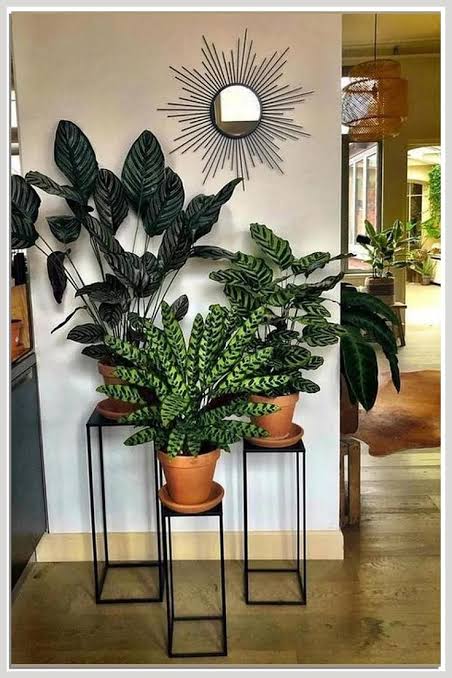
Decorating your home with greenery is a wonderful way to introduce natural beauty, texture, and personality into your living environment. However, finding the right place for every plant can become challenging when floor space and shelving are limited. Hanging Planters provide an attractive alternative by allowing you to display greenery at different heights while making better use of your available space.
As a popular option within the Indoor Houseplants category, hanging planters combine decorative style with practical functionality. They can transform empty corners, brighten window areas, and create beautiful arrangements that complement a wide range of interior design styles. Whether you live in a compact apartment or a spacious house, the right hanging planter can help you build a greener and more inviting indoor environment.
What Are Hanging Planters?
Hanging planters are containers designed to hold plants above the floor or other surfaces. They are typically suspended using ropes, chains, cords, ceiling hooks, or wall-mounted brackets. Some designs feature decorative holders, while others include built-in hanging systems that make them suitable for different interior spaces.
These planters are available in various shapes, sizes, and materials, including ceramic, metal, plastic, and woven fibers. Each material offers a different appearance, allowing homeowners to select options that match their furniture, wall colors, and decorative accessories.
Unlike traditional pots placed on tables or floors, hanging planters create a vertical display. This arrangement draws attention upward and introduces another dimension to interior decorating. When combined with trailing plants, they can produce a cascading effect that softens straight architectural lines and adds visual movement to a room.
Benefits of Hanging Planters for Indoor Houseplants
Hanging planters offer several advantages that make them appealing to beginners and experienced plant enthusiasts.
Maximize Available Space
One of the most practical benefits of hanging planters is their ability to use vertical space. In smaller homes, floor areas and shelves often serve multiple purposes. Suspending plants allows you to enjoy greenery without taking up valuable room for furniture, storage, or everyday activities.
A hanging planter beside a bright window can create a decorative feature without occupying a windowsill. Several containers positioned at different heights can also form an attractive arrangement in an otherwise unused corner.
Create an Attractive Interior Feature
Indoor greenery can complement almost any decorating style. Hanging planters make it easier to incorporate plants into the overall design of a room rather than treating them as separate accessories.
Woven baskets introduce warmth and texture, ceramic containers provide a refined appearance, and metal planters complement contemporary spaces. Choosing coordinated colors and materials can help create a balanced arrangement that works naturally with existing furniture.
Highlight Trailing Plants
Many houseplants develop long stems that extend beyond the edges of their pots. Hanging planters allow these stems to grow downward, creating a fuller and more dramatic display.
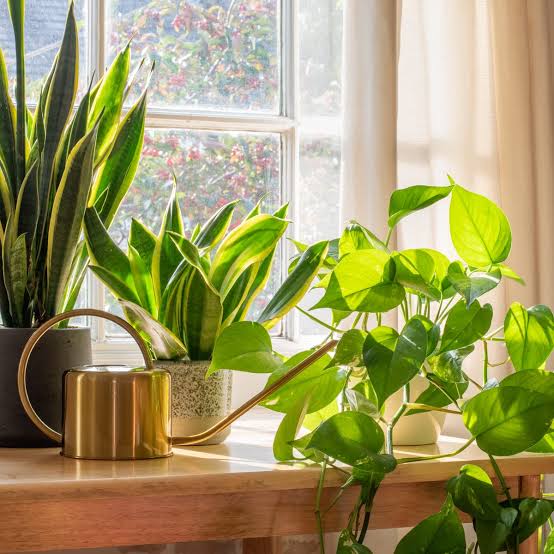
Plants such as pothos and heartleaf philodendron are especially suitable for this purpose. Their flowing foliage can soften the appearance of shelves, walls, and furniture while introducing different shades of green.
Organize Your Plant Collection
Hanging containers can reduce clutter on desks, countertops, and side tables. They are particularly useful for people who enjoy collecting plants but want to keep their living spaces organized.
However, hanging plants should be positioned securely and away from areas where dripping water could damage electronics, wooden furniture, or other household items.
Different Types of Hanging Planters
Choosing the right style involves balancing appearance, durability, weight, and maintenance requirements.
Macrame Hanging Planters
Macrame hanging planters feature knotted cords that support a plant pot. Their decorative appearance makes them popular in bohemian, Scandinavian-inspired, and relaxed contemporary interiors.
Natural cotton, beige cords, and cream finishes work well with wooden furniture and neutral fabrics. These holders are particularly attractive when paired with trailing plants that create a layered arrangement around the cords.
Always check the weight capacity of the holder and its mounting point before installation.
Ceramic Hanging Planters
Ceramic planters are suitable for homeowners who prefer a polished and elegant appearance. They are available in smooth, textured, glazed, and patterned finishes.
Neutral ceramic containers can complement minimalist interiors, while colorful designs can introduce a decorative accent. Since ceramic can be relatively heavy, secure mounting hardware is essential.
Woven Hanging Baskets
Woven baskets made from natural or synthetic fibers add warmth to indoor spaces. Their organic appearance works well with wooden furniture, natural textiles, and relaxed decorative themes.
To protect woven materials from moisture, use a suitable removable inner pot and ensure that excess water does not collect inside the basket.
Metal Hanging Planters
Metal planters are an appealing option for contemporary and industrial-inspired rooms. Their clean lines create a contrast with the softer shapes of green leaves.
Matte black, white, bronze, and metallic finishes can coordinate with other decorative details. Choose containers designed for indoor plants and consider their drainage requirements before use.
Wall-Mounted Planters
Wall-mounted planters allow you to create a vertical garden using suitable brackets or mounting systems. They are especially useful when ceiling suspension is impractical.
Arrange them where plants can receive appropriate light and where watering and pruning remain convenient. Make sure the wall and mounting hardware can safely support the full weight of each planter.
Best Indoor Houseplants for Hanging Planters
Selecting plants that naturally suit hanging containers helps create a healthy and attractive display.
Pothos: Pothos is a popular choice because of its trailing stems and decorative foliage. It generally grows well in bright, indirect light and can tolerate some lower-light conditions, although growth may slow.
Spider Plant: Spider plants feature arching leaves and produce small plantlets on long stems. Their natural shape makes them attractive in hanging baskets near windows with filtered sunlight.
Heartleaf Philodendron: This plant has distinctive heart-shaped leaves and flexible trailing stems. It can provide a lush appearance while remaining relatively straightforward to maintain in suitable indoor conditions.
String of Hearts: With its slender vines and small, heart-shaped leaves, string of hearts creates a delicate cascading effect. It generally prefers bright, indirect light and well-draining soil.
English Ivy: English ivy can develop long trailing stems that look attractive in elevated displays. It benefits from appropriate light and good air circulation and may require more attention than some beginner-friendly varieties.
Before choosing a plant, research its watering and lighting requirements. Also check whether it is safe for pets, since some common indoor plants can cause irritation or illness if cats or dogs chew their leaves.
How to Choose the Right Hanging Planter
The best hanging planter should suit both your plant and your home.
First, consider the plant's size and growth pattern. Compact varieties can thrive in smaller containers, while larger plants may need additional root space and stronger supports. Leave sufficient room for mature foliage to grow without blocking windows or walkways.
Second, check the drainage system. Most indoor plants benefit from soil that drains properly. Containers with drainage holes are often the simplest option. If you prefer a decorative planter without holes, use a removable nursery pot and empty any excess water from the outer container after watering.
Third, evaluate the weight of the complete arrangement. Wet soil, the plant, and the container can weigh considerably more than an empty pot. Choose mounting hardware suitable for the ceiling or wall material, and avoid weak fixtures.
Finally, select a design that complements your interior. Repeating a few colors or materials across multiple planters can create a coordinated look without making the room feel overly decorated.
Caring for Plants in Hanging Planters
Although many hanging plants are easy to maintain, they still require suitable growing conditions and regular attention.
Check the soil before watering rather than following a strict calendar. Smaller containers may dry out more quickly than larger pots, particularly in warm rooms or near windows. Water according to the needs of the specific plant and allow excess moisture to drain completely.
Provide suitable lighting for each variety. Bright, indirect light works well for many popular hanging plants, but individual requirements differ. Avoid placing plants in intense direct sunlight if their foliage is sensitive to scorching.
Inspect leaves and stems regularly for discoloration, damage, or pests. Remove dead foliage when necessary and prune overgrown stems to maintain the desired shape.
It is equally important to inspect hooks, chains, cords, and brackets periodically. Secure mounting helps prevent accidents, especially when planters are positioned above furniture or frequently used areas.
Decorating Ideas with Hanging Planters
Hanging planters can enhance different rooms when positioned thoughtfully. In the living room, a trailing plant near a bright window can introduce greenery without occupying floor space.
In a home office, a compact hanging arrangement can add natural color while keeping the desk clear. In bedrooms, coordinated planters can complement wooden furniture, neutral bedding, and soft decorative fabrics.
You can also create a vertical garden by grouping several planters at different heights. Combine plants with contrasting leaf shapes while keeping the containers within a consistent color palette. This approach produces a layered display that feels intentional rather than crowded.
For kitchens, choose suitable plants and place them away from cooking heat, grease, and splashing water. In every room, ensure the arrangement remains easy to water, inspect, and maintain.
Conclusion
Hanging planters offer an effective way to combine practical space management with creative interior decorating. Their versatility makes them suitable for small apartments, spacious homes, contemporary interiors, and traditional living spaces.
By selecting appropriate containers, choosing plants that match your lighting conditions, and ensuring secure installation, you can create a beautiful display that remains manageable over time. From decorative macrame holders to elegant ceramic pots, Hanging Planters provide an excellent opportunity to showcase your favorite Indoor Houseplants and introduce natural character into your home.